
LarrainVial Asset Management
From Lula to Tarcísio: Brazilian Political Dynamics and Institutional Drivers
Notes from José Luciano de Mattos Dias' recent visit to Chile.
1. 2026 Elections and Political Landscape
The 2026 election is expected to be the most significant since the Real Plan. Political actors have begun preparations much earlier than in previous cycles. While the dynamics of left-wing parties are well understood, the centre-right remains less clearly defined in terms of leadership and electoral strategy. The left has struggled to transform presidential success into broader electoral gains.
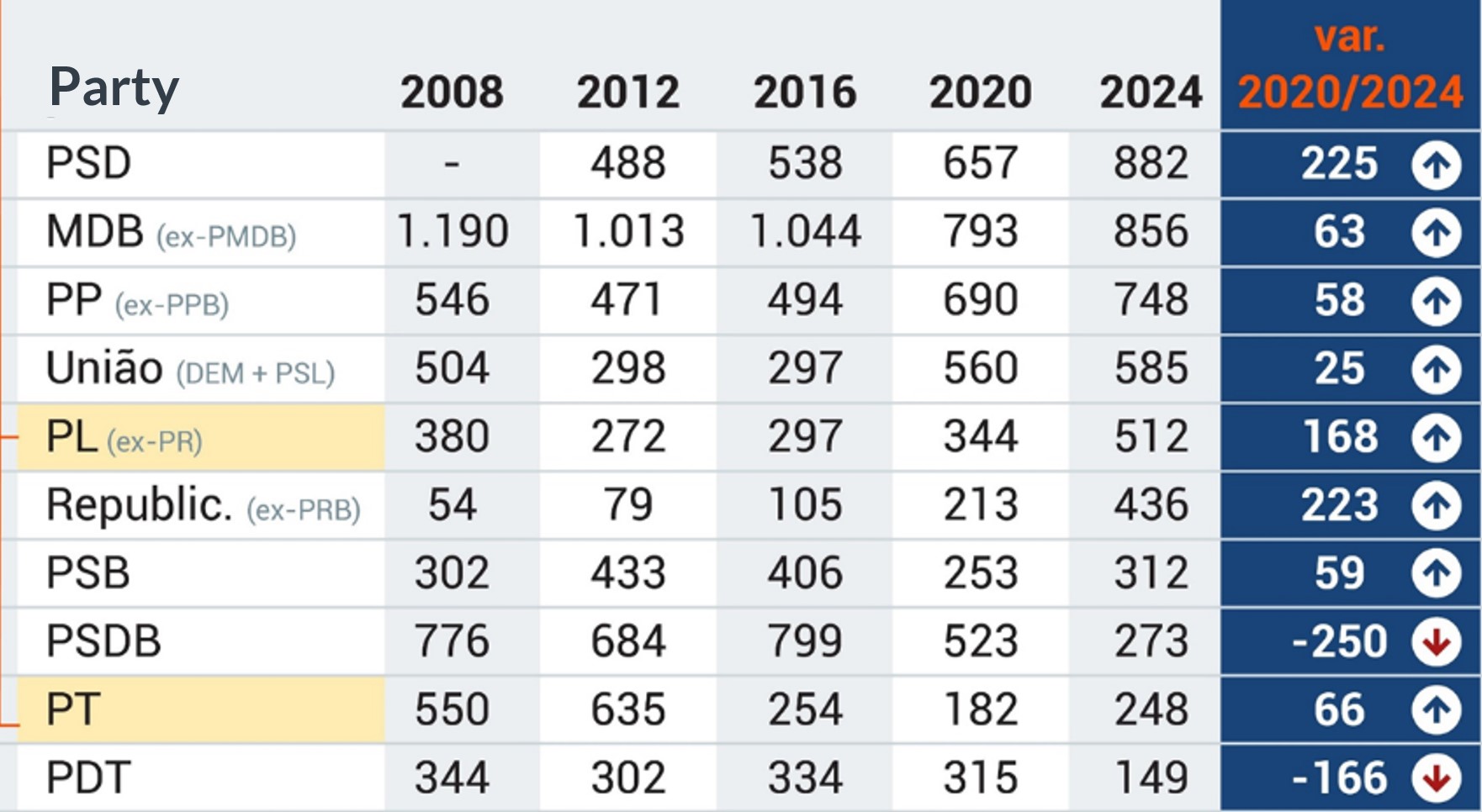
Bolsonaro continues to dominate 35-40% of the right-wing electorate, complicating the consolidation of a single candidacy as the right expands and strengthens. Regarding this last point, municipal elections are a key metric of political influence. Considering the last election in 2024, the Workers' Party (PT) gained only 66 new mayors, while the Liberal Party (PL, associated with Bolsonarism) secured 168. The right is expected to achieve a major victory in the Chamber of Deputies. With control of five right-wing parties, they can pass virtually any legislation. Bolsonaro personally influences the selection of 15-20 senators (e.g., Senator Moura), which has significant implications for fiscal matters and structural reforms.
2. Parliamentary Amendments and Electoral Funding
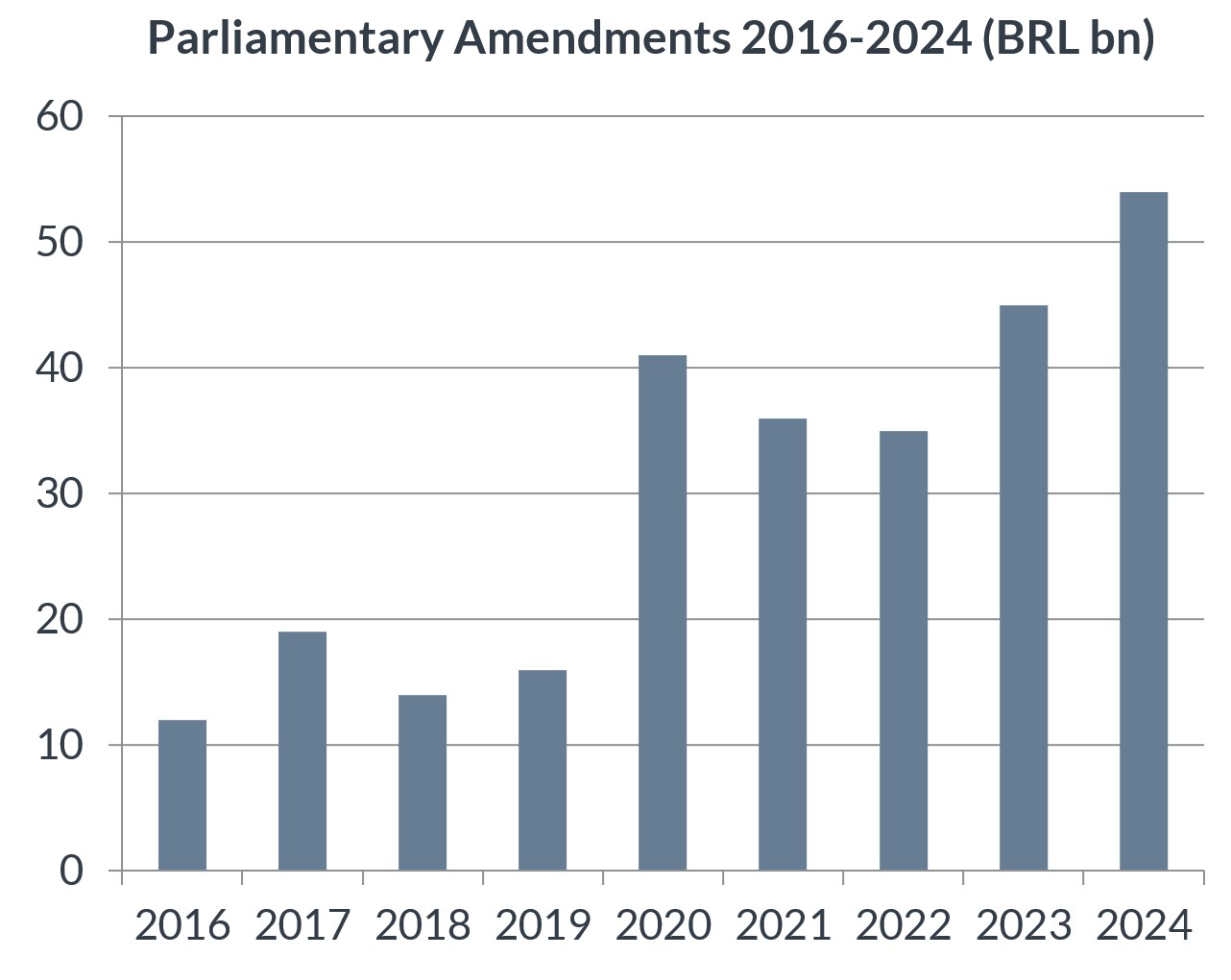
A crucial factor has been the extensive use of parliamentary amendments—allocations by legislators to projects in specific regions. Many of these amendments are mandatory and thus automatically included in the budget. One of the most relevant measures was the PIX Amendment, which allows direct transfers to state and municipal accounts, enhancing electoral efficiency.
Brazil's re-election rate for mayors, historically around 68%, rose to 85% in 2024. This institutional framework strengthens the inertia of a centre-right Congress capable of passing market-friendly reforms.
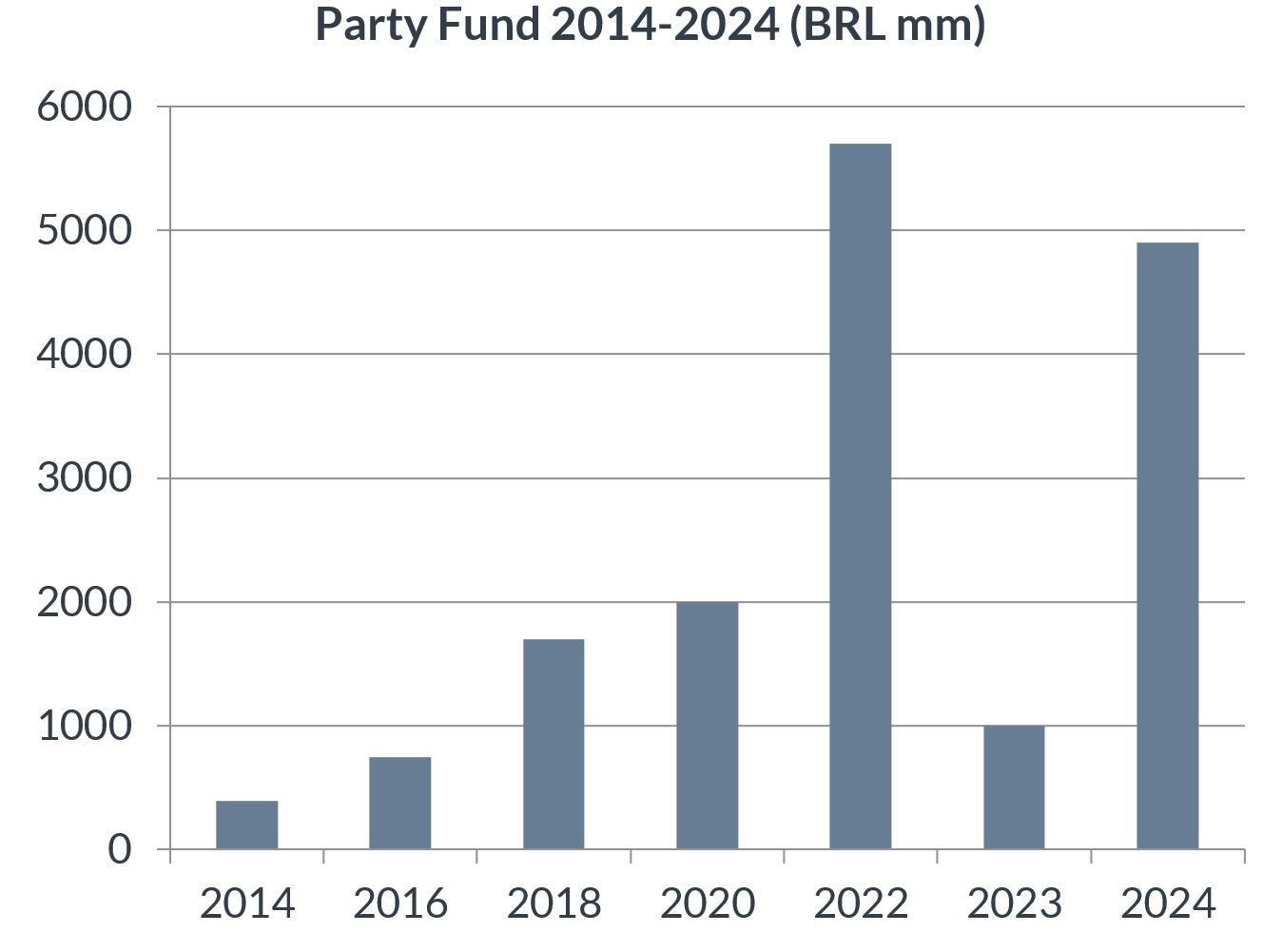
Additionally, party funding is entirely state-financed. The cost of elections has been reduced by 30% (approximately BRL 5 billion). Private financing is deemed electoral abuse, thus diminishing the influence of private donors (positive institutional driver).
3. Polling Dynamics and Voter Behavior
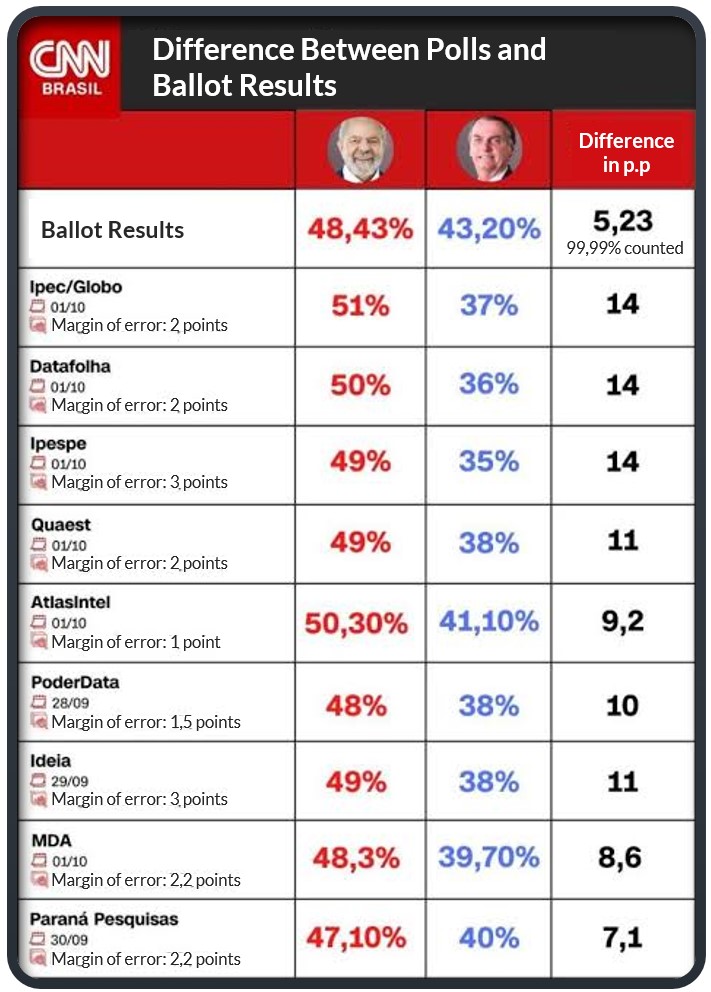
Different polling institutes serve distinct audiences: Ipespe, Quaest, and Atlas are followed by banks and the financial sector, while Ipec/Globo and Datafolha are more influential among the general population. It is crucial to follow a consistent source, as polling remains a driver of speculation. Paraná has historically proven accurate.
Electoral outcomes are heavily shaped by the 'triple criterion': president, governor of São Paulo, and mayor of São Paulo. Victory in São Paulo, Rio de Janeiro, or Minas Gerais is essential for national success. Polls typically align with political reality around July-August of the election year. Broader economic debates (tariffs, sanctions) have little traction; news cycles in Brazil last roughly 20 days.
4. Bolsonaro's Successors and the Role of Tarcísio
With Bolsonaro ineligible, Tarcísio de Freitas emerges as the natural successor, though he is not a traditional Bolsonarist. A 20-point lead in São Paulo would effectively secure the presidency; Bolsonaro himself achieved 11 points previously. The strategic challenge is positioning Tarcísio as a viable candidate.
Campaign dynamics in the Northeast remain decisive—Lula requires a 70-30 margin, which he has not consistently maintained (Paraná poll indicates 60-40). Evangelical voting behavior is increasingly central. Should Tarcísio run alongside Michelle Bolsonaro, it would be considered the strongest ticket.
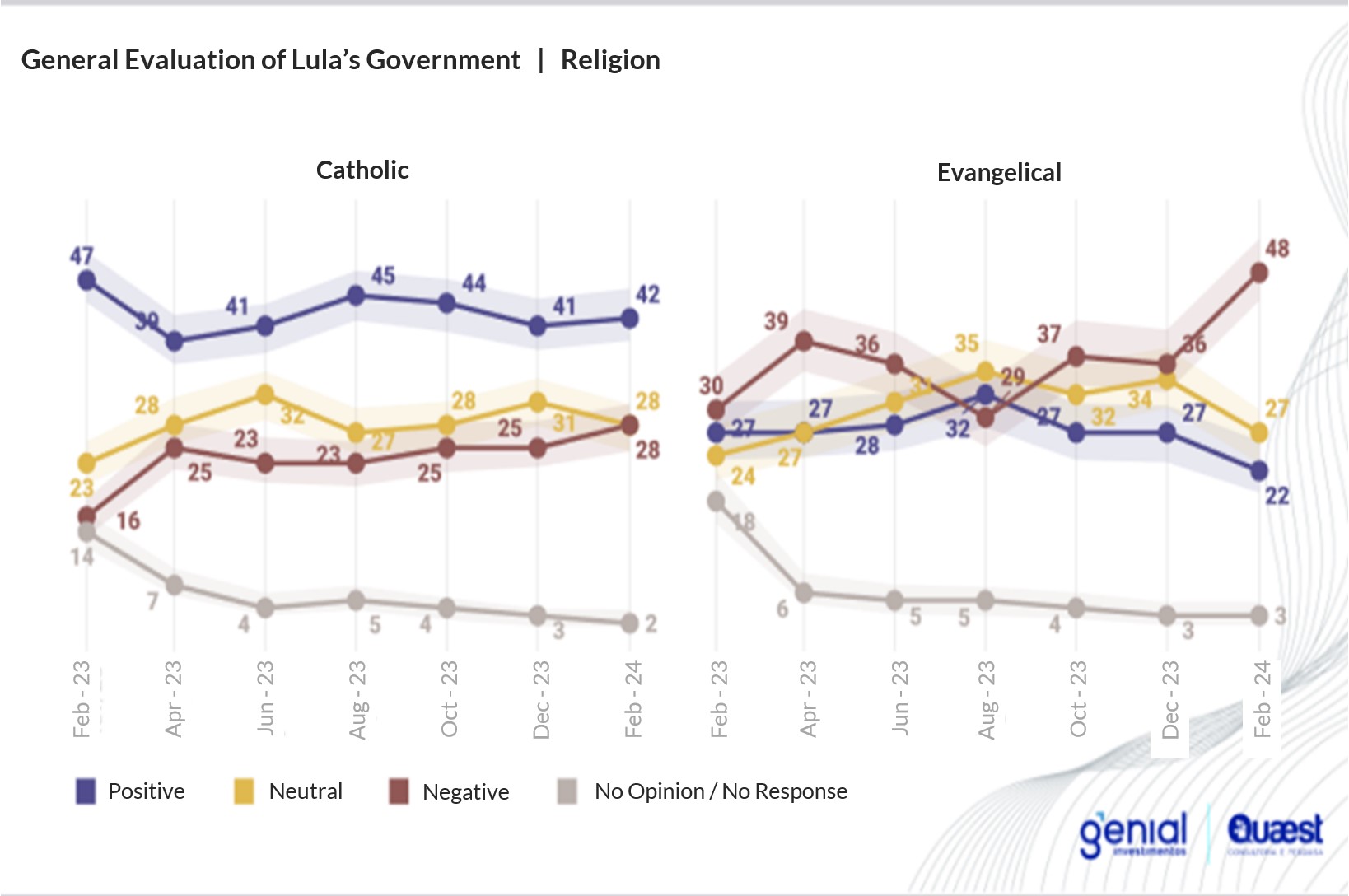
Voter concerns are centered on inflation, trust in economic management, and the impact of high interest rates (SELIC) on household budgets. Ideological issues include public security and religious values. Evangelicals have shifted strongly against the government, driven by opposition to policies conflicting with their beliefs. Approximately 27% attribute Brazil's crisis to 'Satan'.
Border regions with Peru and Venezuela governed largely by police, military, or centre-right leaders reinforce right-wing dominance, while other governors find it harder to integrate Bolsonarism.
Nevertheless, a Tarcísio presidency would likely signal the decline of Lula and the left, particularly given the weakened state of mayoral representation. A Tarcísio-Michelle ticket would be highly favorable to the right.
5. Risks and Scenarios: Lula's Current Strategy
A major risk is Bolsonaro insisting on a family candidate. Flávio Bolsonaro faces financial controversies, Eduardo Bolsonaro has damaged his career with U.S. ties, while Michelle Bolsonaro is regarded as a strong alternative.
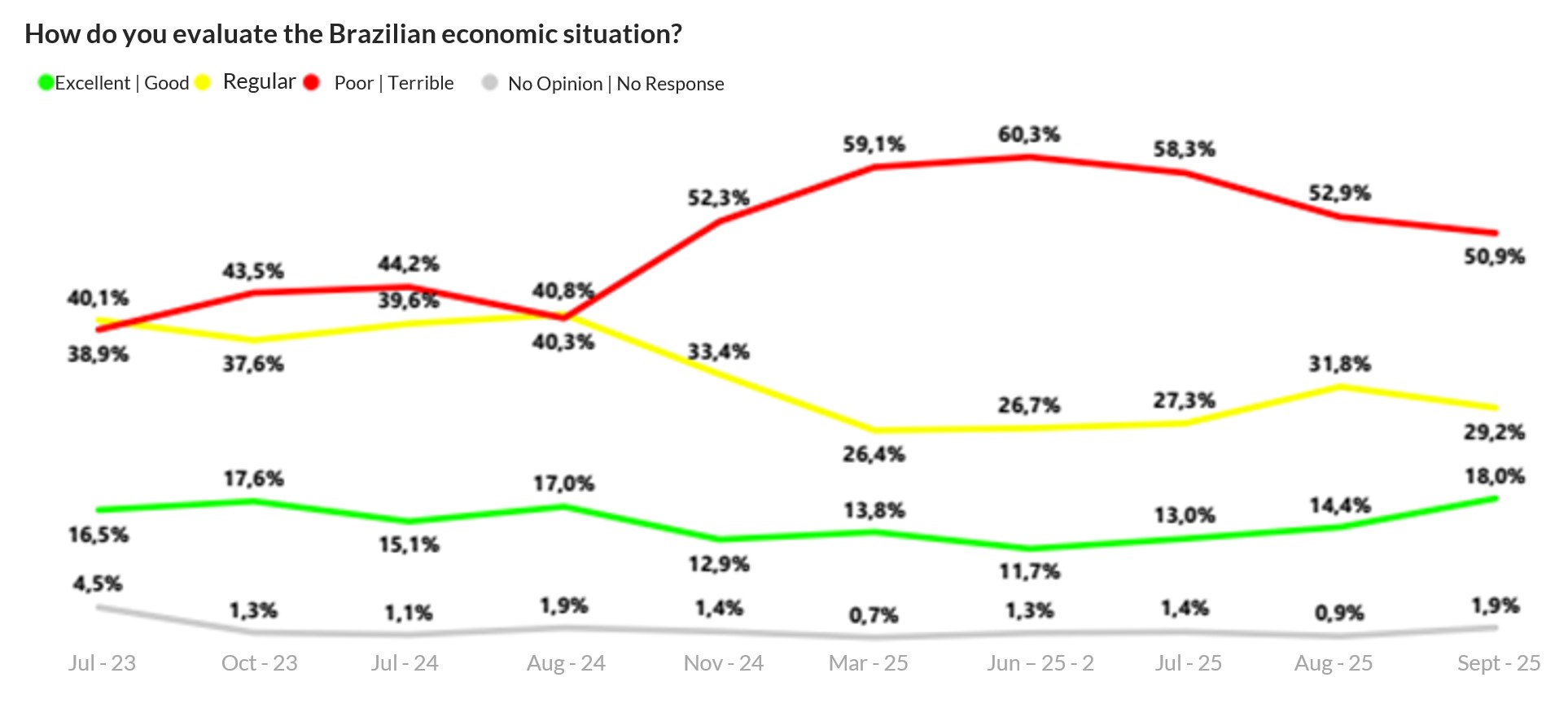
Lula has attempted to regain popularity through expansive spending, such as free public transport initiatives. However, the impact on his approval remains moderate. Local conflicts and fragmented issues continue to erode his standing. Centre-right groups dominate social media, particularly among the youth, making it more difficult for Lula to expand influence despite economic improvement. Lula is not credited for recent gains, and he remains an obstacle to stronger outcomes.
 |
José Luciano de Mattos Dias is a Brazilian political scientist. He holds a Master’s and PhD in Political Science from the Research Institute of Rio de Janeiro (IUPERJ), where he focused his thesis on the political consequences of Brazilian electoral law and the administrative performance of state governments between 1982 and 1994. Throughout his career, he has worked as a researcher, professor, political analyst, and consultant, contributing to studies on public administration, economic policy, and electoral systems in Brazil. |